01
Metal Frame
Strong long-life frames built from galvanized steel or aluminum.
Best for heavy coverings and permanent installations.
Student Project Site
A structured learning hub for greenhouse design, crop planning, and pest control. Built as a clear, step-by-step guide that turns real horticulture knowledge into simple lessons.
Section 01
Five construction types with practical notes on materials, costs, and climate control. Each card is a numbered tab for easy reference.
Strong long-life frames built from galvanized steel or aluminum.
Best for heavy coverings and permanent installations.
Curved frames with plastic film coverings and low setup cost.
Good for teaching projects and seasonal use.
Maximum light and long lifespan but higher cost and weight.
Used for research and premium crop quality.
Film-covered tunnels with roll-up sides and simple ventilation.
Great for protected growing with basic systems.
Connected bays for large continuous production areas.
Efficient workflow and shared climate systems.
Section 02
Choose frame materials, coverings, and insulation by climate and budget.
Aluminum for low maintenance, steel for heavy loads, wood for small builds.
Glass for max light, polycarbonate for durability, film for low cost.
Concrete bases and anchoring resist wind uplift and snow load.
Design doors and work zones for safe movement and clean workflow.
Section 03
Systems control temperature, humidity, light, and irrigation with clear student steps.
Natural vents and roll-up sides keep air fresh and reduce heat stress.
Stable night temperatures support warm-season crops and transplants.
Supplemental light for winter and uniform growth.
Drip irrigation build guide with filters and zone layout.
Section 04
Vegetable profiles with temperature needs, spacing, and harvest steps.
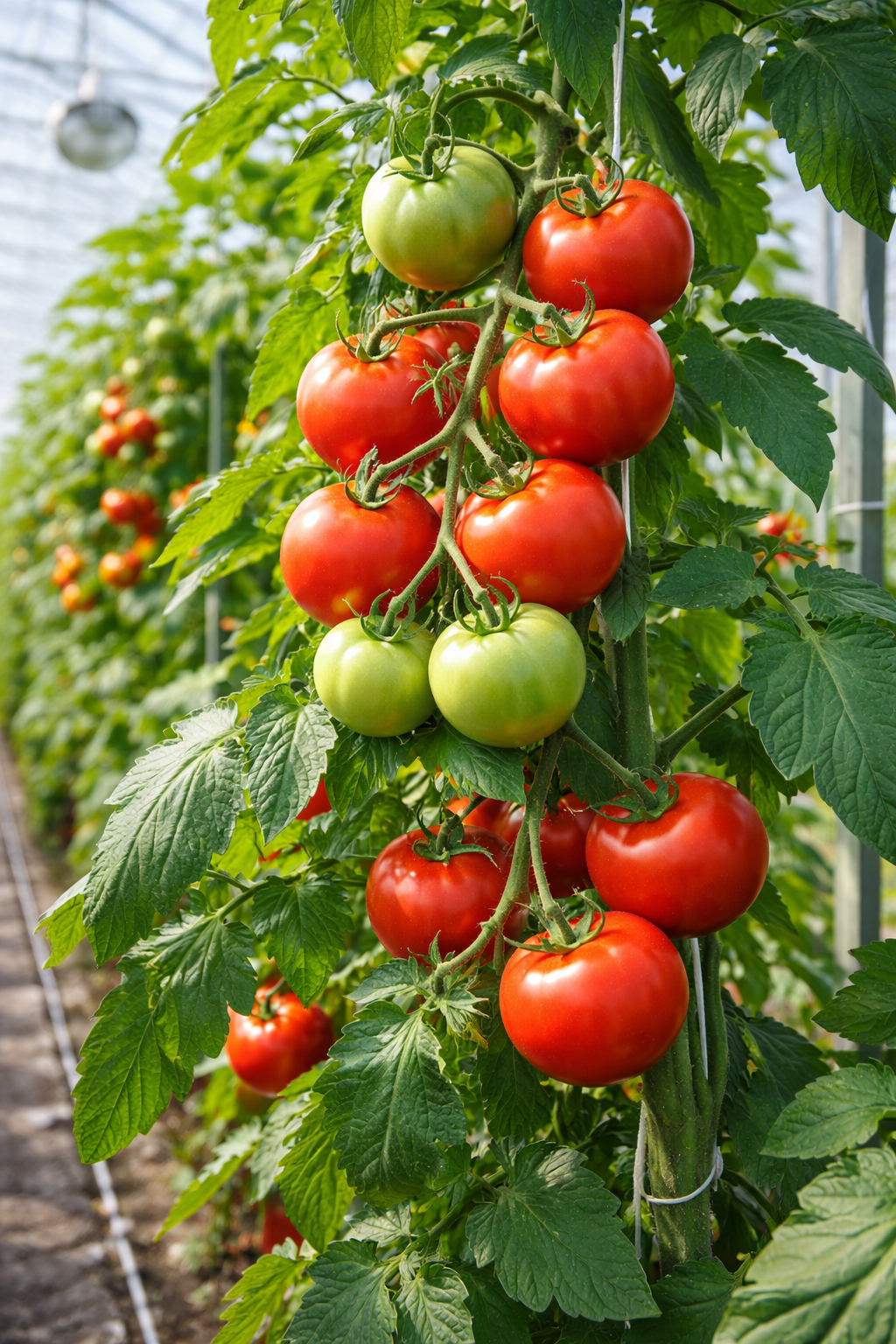
Tomato: check young growth weekly for sticky honeydew and curled leaves.
Use yellow sticky cards, steady airflow, and remove heavily infested shoots early.
More Crop Profiles
This second crop block expands the library with root crops, leafy crops, and more greenhouse vegetables.
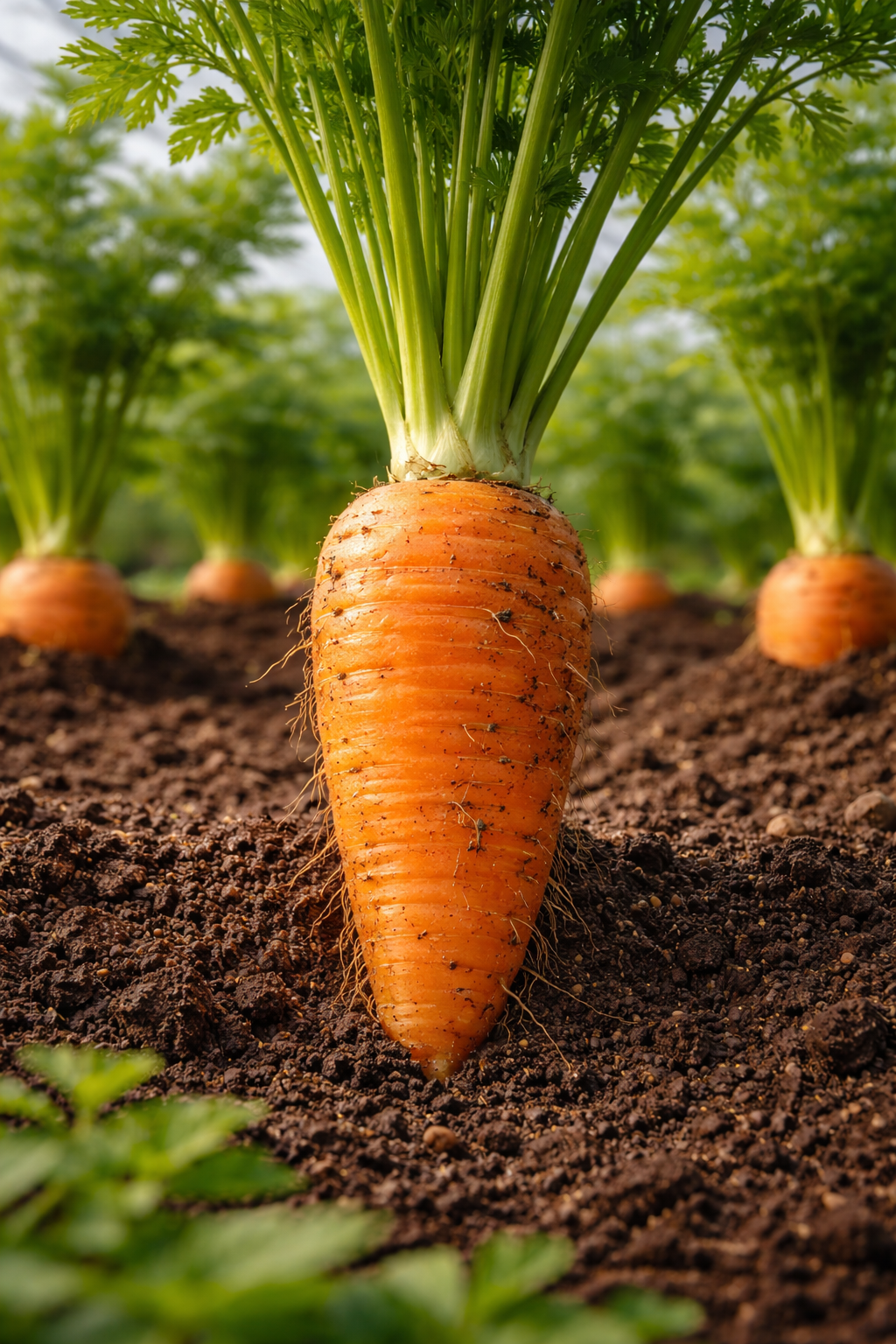
Carrot: focus on loose soil, even moisture, and straight root development.
Avoid compaction and keep watering steady to reduce cracking or forked roots.
Section 05
Integrated pest management with scouting and prevention guidance.
Early detection and biological control keep sap-feeding pests down.
Humidity management and predatory mites reduce outbreaks.
Dry-down cycles and clean media keep larvae below damage levels.
Sanitation and physical removal are effective in early stages.